
"Burundi coffee industry"
500 article(s) found

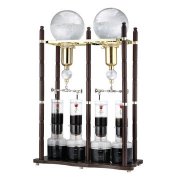
Step diagram of hand-flushing temperature of Burundian coffee
Following the increase in the price of Burundian Arabrica coffee, the purchase price of fresh coffee in Burundi has been adjusted from 120 Burundian francs / kg to 200 Burundian francs / kg, which is excellent news for countries where coffee export earnings account for more than 80 per cent of total foreign exchange earnings. Due to the growth of coffee

Recommendations for hand flushing of washed bourbon coffee at AA Cave Manor, Burundi. Introduction to Burundian coffee beans.
Professional coffee knowledge exchange more coffee bean information Please pay attention to Coffee Workshop (Wechat official account cafe_style) Burundi is located in eastern Africa, is a small landlocked country not near the sea, the country's land area is only 28000 square kilometers, but the people with agriculture as the main income is as high as 90%, of which coffee accounts for 80% of agriculture. It is no exaggeration that the coffee industry is here

A brief introduction to the treatment method of grinding degree and baking degree of Burundian boutique coffee beans with fruit flavor
Recommended baking method: moderate to deep baking ★★: good there are two major ethnic groups in Burundi, and only about 15% of the Tutsi have ruled the country since the 16th century, controlling the civilian population, which is mainly made up of Hutu, plus a very rare aboriginal Twa. Does this kind of minority occupy a high position?

Introduction of Burundian Coffee Flavor and Taste characteristics of Burundian Coffee
Burundi selected July 3, 2010 as its country Pavilion Day [country name] Republic of Burundi (The Republic of Burundi, La Rpublique Du Burundi). [area] 27834 square kilometers. [population] 7.4 million (2005), with an annual growth rate of 3.4 per cent. It consists of three tribes: Hutu (84%), Tutsi (15%) and Tewa (1%). The official language is

Boutique Burundi Champion Processing Plant Kayanza Coffee
In fact, according to Ms. Knudsen, people started drinking fine coffee, but then as coffee demand continued to grow, new coffee varieties were discovered and used, and the quality of coffee declined. Later, people gradually abandoned this bad and bad coffee and began to switch to other drinks. In this context, Ms Knudsen's re-identification

Introduction to the taste characteristics of the description of roasting degree and flavor of Burundian coffee
Coffee production in Burundi: Burundian coffee is now grown only on small farms. Almost all coffee produced in Burundi is Arabian coffee beans, while coffee trees in Ngozi are planted at an altitude of more than 1200 meters. Characteristics of Burundi Coffee: Burundi (Burundian) has the most diverse and successful coffee industry in the world, and has its own characteristics.

Brief introduction to the treatment method of grinding degree and baking degree of Burundian fine coffee beans with almond aroma
Suggested roasting method: moderate to deep roasting ★★: good market for Burundian coffee: Burundian coffee products are mostly exported to the United States, Germany, Finland and Japan, Burundi in multiple plateaus and mountains, mostly composed of the eastern plateau of the East African Rift Valley, with a national average elevation of 1600 meters, known as a mountain country. According to the topography of Burundi, it can be divided into three regions: the western plain.

Burundi Coffee Flavor Description Grindness Characteristics Variety Producing Area Taste Fine Coffee Introduction
Burundi coffee was introduced by Belgian colonists in 1930. Unfortunately, many of these farms are located on the border with war-torn Rwanda, putting pressure on coffee production. Coffee in Burundi: Burundi Coffee is now grown only on small farms. Coffee produced in Burundi is almost exclusively Arabica beans.

A brief introduction to the Market Price of Burundian Fine Coffee Bean varieties with strong aroma
There are two major ethnic groups in Burundi, and only about 15 percent of the Tutsi have ruled the country since the 16th century, controlling the civilian population, which is mainly made up of Hutu, plus a very small number of indigenous Twa. This abnormal social structure in which ethnic minorities occupy a high position has buried the evil seed of national instability, and in 1

Introduction to the varieties of Burundian Coffee produced by Grinding and Calibration treatment
The East African reported on the 8th that in order to help Burundi integrate into the world coffee market as soon as possible, Starbucks has funded officials of the Burundian Coffee Management Commission to study abroad, and Starbucks executives will also visit Burundi this month to discuss cooperation with relevant parties. Coffee is Burundi's main export.

Evaluation of Flavor characteristics of Burundian Coffee beans
Evaluation of Flavor characteristics of Burundian Coffee beans Burundian formerly known as Urundi formed a feudal kingdom in the 16th century. Since the middle of the 19th century, the forces of Britain, Germany and Belgium invaded. The long-ruled monarchy, which was conquered by Germany in 1890, listed it as the territory of German East Africa and fell under the control of the Belgian army in 1916. first

African Fine Coffee beans the Heart of Africa the flavor and taste of coffee beans in Burundi
Professional coffee knowledge exchange more coffee bean information Please follow the coffee workshop (Wechat official account cafe_style) mentioned Burundian coffee, reminiscent of its distinct acidity and fruity aroma. When it comes to sour coffee, we have to mention coffee from Ethiopia and Kenya in Africa. In the front street, Burundian coffee is compared with two producing areas, Burundian coffee.

What's the taste of Burundi in the sun? how to brew Burundian coffee?
For the exchange of professional baristas, please pay attention to the coffee workshop (Wechat official account cafe_style) Burundi (Burundi) has the most varied and successful coffee industry in the world, and has its own characteristics. Coffee in this country was introduced by Belgian colonists in 1930 and is now grown only on small farms. Unfortunately, many of these farms are connected to war-torn Rwanda.

Introduction to the history of coffee cultivation in Burundi boutique coffee beans Burundian coffee taste
Due to ethnic divisions, the chaos of Burundian coffee has been going on for a long time, with a large number of raw beans mixed with the old and new, making this coffee unsuitable for grading. This coffee is rough but mild, and has characteristics similar to Kenyan coffee. The flavor is sweet and fruity, with a slightly spicy finish. Dry aroma (1-5): not suitable for wet aroma
Global coffee producing area Burundi coffee producing area
Burundi coffee was introduced by Belgian colonists in 1930. Unfortunately, many of these farms are on the border with war-torn Rwanda, putting pressure on coffee production. Coffee production in Burundi: Burundian coffee is now grown only on small farms. Almost all the coffee produced in Burundi is Arabian coffee beans.

Aromatic, intense taste, excellent acidity, Burundi coffee variety, taste characteristics, Manor coffee.
Burundi coffee was introduced by Belgian colonists in 1930. Unfortunately, many of these farms are located on the border with war-torn Rwanda, putting pressure on coffee production. Coffee in Burundi: Burundi Coffee is now grown only on small farms. Coffee produced in Burundi is almost exclusively Arabica beans.

Burundian Coffee introduction
Burundi coffee was introduced by Belgian colonists in 1930. Unfortunately, many of these farms are on the border with war-torn Rwanda, putting pressure on coffee production. Coffee production in Burundi: Burundian coffee is now grown only on small farms. Almost all the coffee produced in Burundi is Arabian coffee beans.

Description of Burundian Coffee Flavor, characteristics of Grinding degree, introduction of High-quality Coffee beans by Variety treatment
Burundi Coffee Flavor description Burundi (Burundian) has the most diverse and successful coffee industry in the world, with its own characteristics. Coffee in this country was introduced by Belgian colonists in 1930 and is now grown only on small farms. Unfortunately, many of these farms are on the border with war-torn Rwanda, putting pressure on coffee production.

Introduction of Burundian coffee producing areas and Burundian coffee
Burundian coffee is mainly from the famous coffee producing areas such as Kayanza, Ngozi, Muyinga and Kirimiro, although there are other small producing areas, but these regions are the most famous for their coffee. The first Arabica coffee tree in Bloomberg was introduced by the Belgians in the 1930s. Because of this.
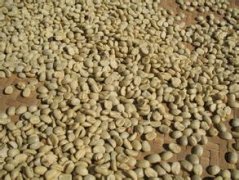
A brief introduction to the description of the flavor, taste and aroma characteristics of fine Burundian coffee beans with mellow taste
Burundian coffee market: most of Burundi's coffee products are exported to the United States, Germany, Finland and Japan. Lake Tanganyika is longitudinally striped from north to south, 670km long and only 48-70km wide from east to west. It is the narrowest lake in the world, with a surface area of about 32900 square kilometers. It is the second largest lake in Africa (the largest lake is Lake Victoria L.Victoria), with an elevation of the lake.